Taxidermy
Technique of preparation and conservation of animal skins
An ancient technique
It is a method of preparing and preserving animal skins; these can be stored "flat" or filled with straw or mounted on a synthetic material dummy and therefore give rise to a three-dimensional specimen equal to the live animal.
This technique has been used extensively for the display of animal species in natural science museums, but often also to create decorative objects or sets for photographic shots
Image Gallery


What it consists of
It was once difficult to travel to distant countries and therefore the public was offered the opportunity to see exotic species.
The animals were captured and killed for this purpose: today we tend to avoid this practice, using only individuals who died a natural death or from an accident.
The technique consists in the treatment of the skins with conservative substances and in the subsequent padding of the same (once straw or wood, today synthetic materials such as polyurethane) which allows the animals treated in this way to give the appearance of live ones
Image Gallery


Leather covered mannequins
The skill of the taxidermist consists in giving naturalness and expressiveness to the animal. The arrangement of specimens can sometimes reach levels of accuracy and creativity comparable to one of the normally recognized art forms, especially when the specimens are arranged in dioramas.
Image Gallery
-
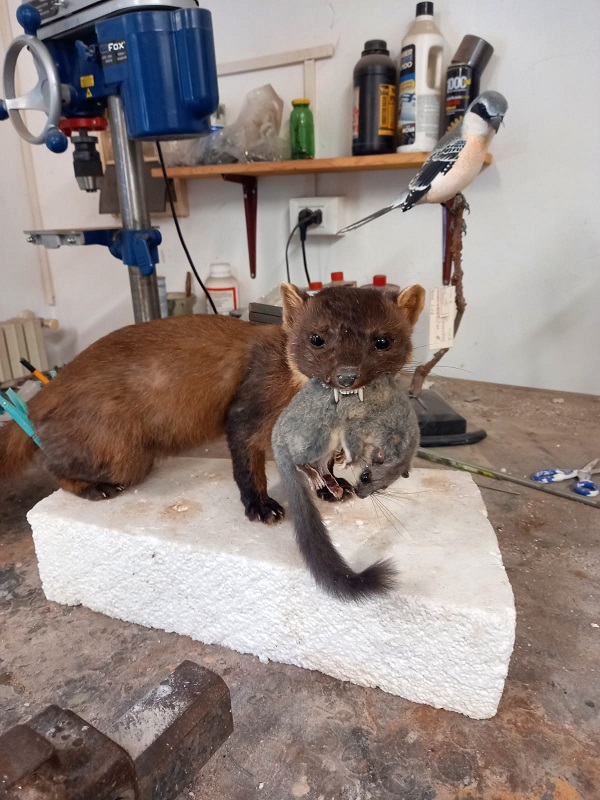
Preparation of marten specimens -
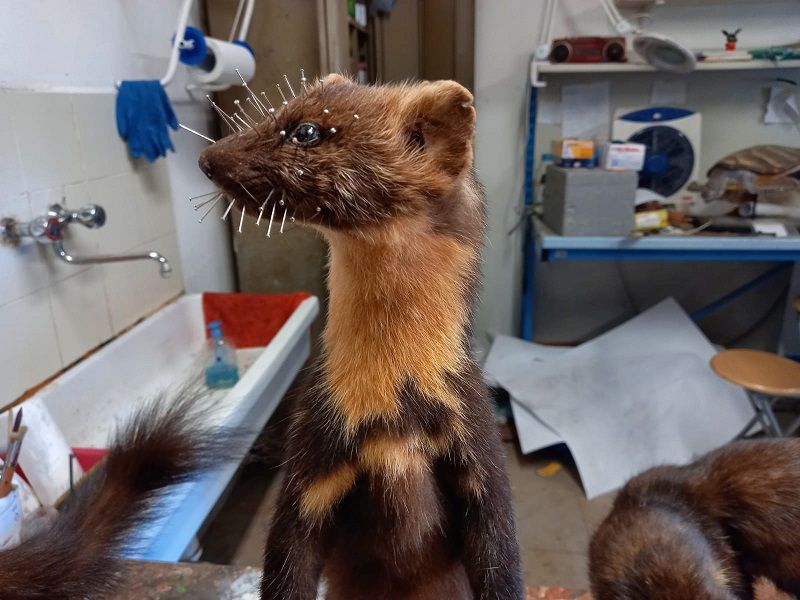
-
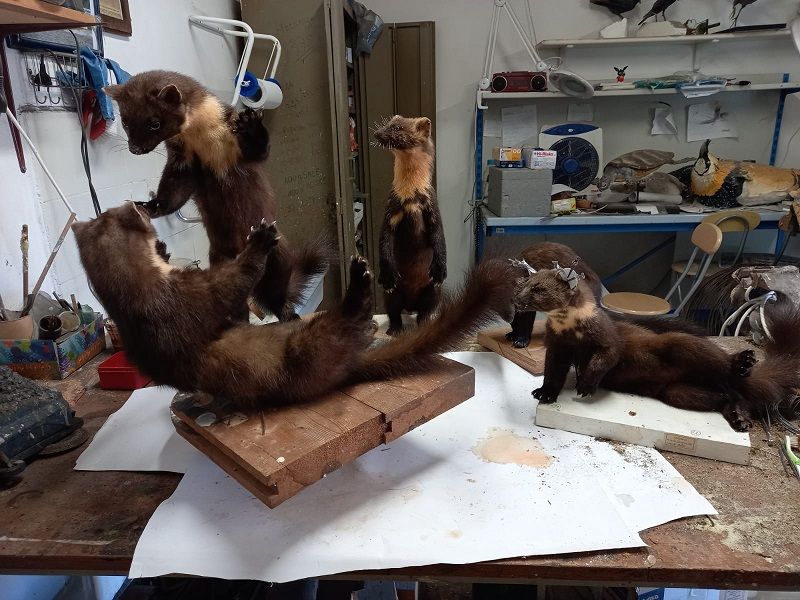


Models nowadays
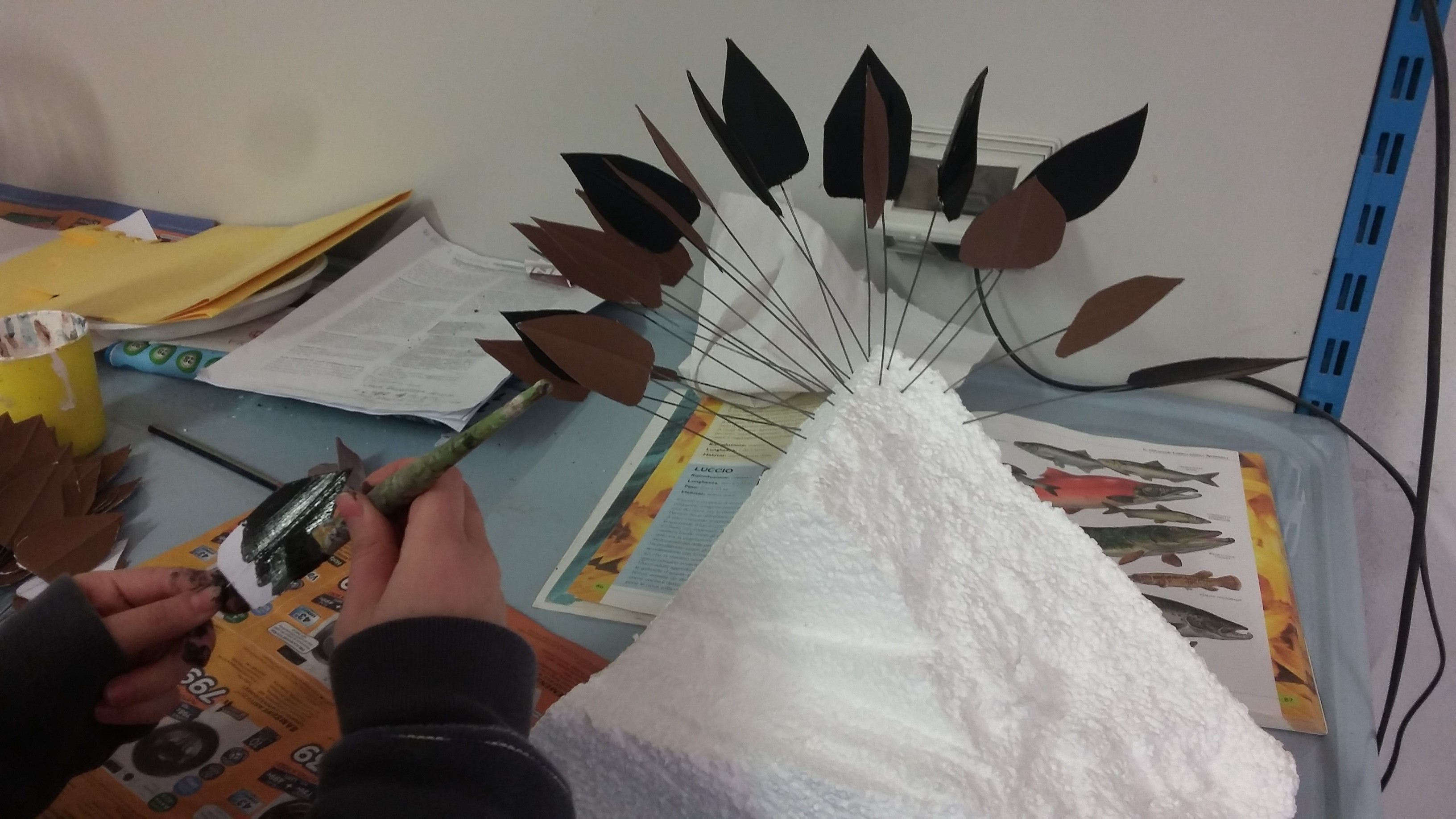
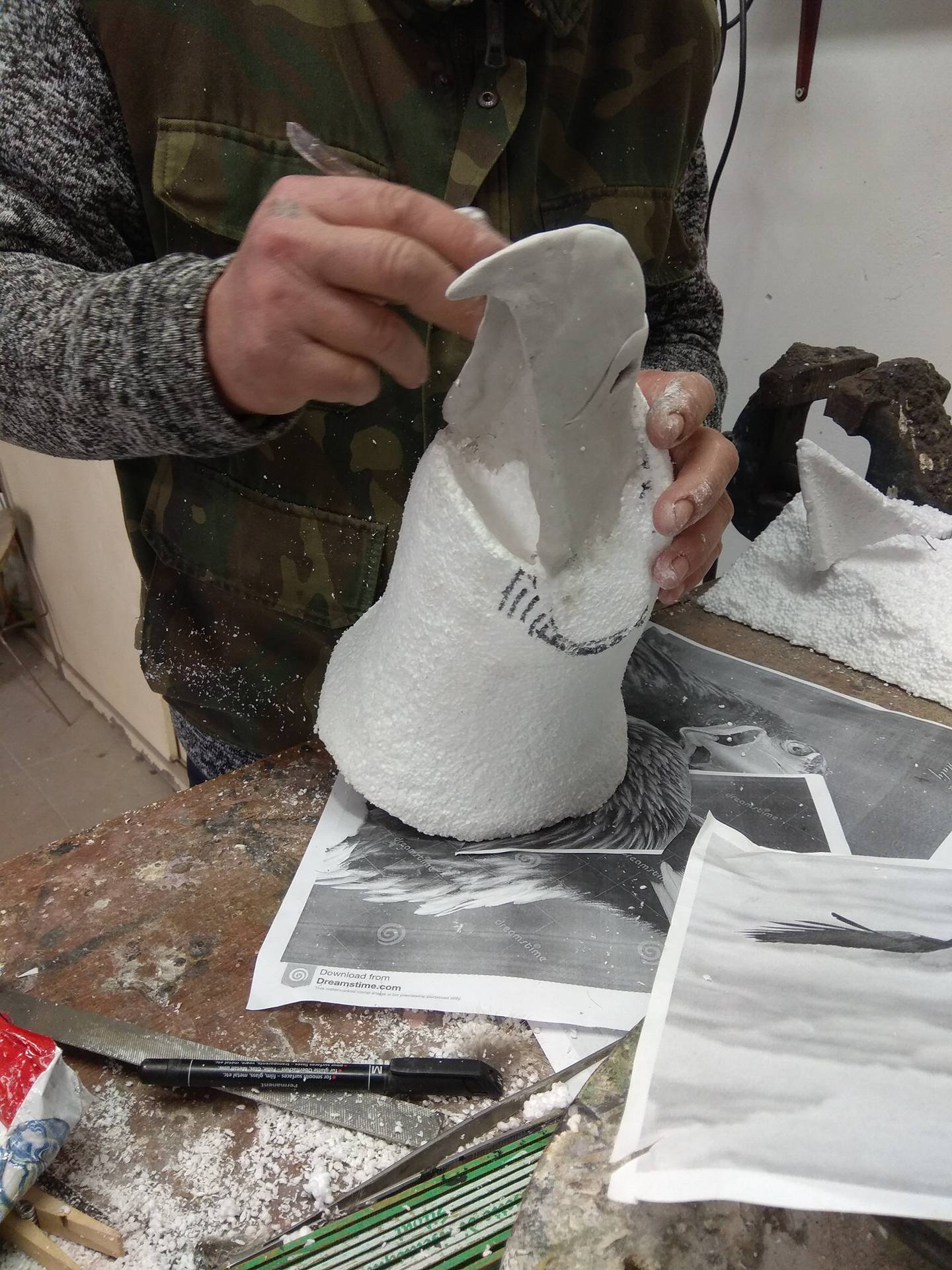
Modern taxidermy also sees the reconstruction of animals without using skin. The subjects are made with resins, polyurethane, paper... the result is truly surprising!
Image Gallery
-
-
-
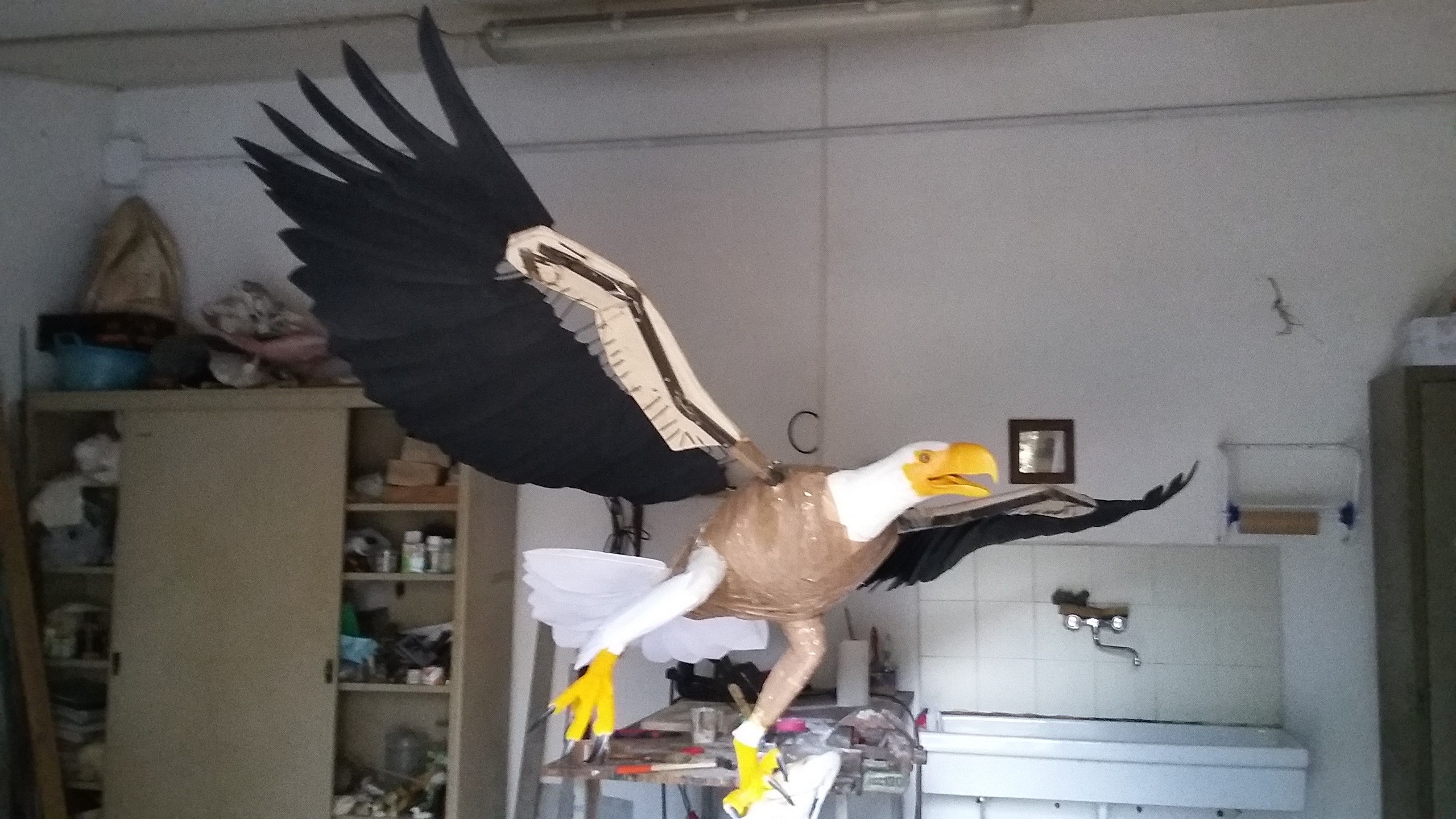
condor made of paper and das


Paintings of a diorama
The creation of a museum exhibition can also be done through dioramas: these are reconstructions of natural environments where taxidermied animals or reconstructed with artificial materials are placed inside them. A diorama also requires a backdrop which is often handmade by painters specialized in representing natural environments.
In the video - Rossella Faleni naturalistic painter
Last Update Date: 29/11/24 08:48