The collections
From 11 September 2014, the "Alberto Razzauti Biodiversity Conservation Laboratory" is opened to the public
Description
Terrestrial arthropods
The collection of terrestrial arthropods includes approximately 30,000 specimens from the Mediterranean area.
There are two large historical collections:
Schiavazzi collection (Lepidoptera, Coleoptera, Diptera, Italian Odonata)
Razzauti collection (Beetles and other orders)
To these is added the collection of insects from Jordan (Borzatti coll.)
Locatelli collection (coleoptera, lepidoptera, odonata, orthoptera, mantoidea) - donation
Image Gallery


Crustacean collection
The crustacean collection includes dry-preserved specimens and is mostly on display to the public in the Invertebrate Room.
It is made up of approximately 80 specimens of Mediterranean species from the Livorno coast, with specimens also found at great depths.
Image Gallery

Malacological collection
The collection, mostly displayed in the Invertebrate Room, sea invertebrates section, includes a collection of Mediterranean marine and freshwater shells.
There is also a collection of terrestrial gastropods, some of which come from the island of Pianosa.
Image Gallery


Marine vertebrates and invertebrates
The historical collection includes around 300 original bottles (mid 19th century - early 20th century) and restored ones with a collection of vertebrates (mainly fish) and marine invertebrates (crustaceans) preserved in alcohol.
Most of them belong to the Mediterranean fauna.
There are also some specimens of reptiles
Image Gallery


Birds Mediterranean area
A vast collection of birds from the Mediterranean area which includes more than 1000 specimens which well represent the numerous families to which these animals belong. The collection, mostly made up of specimens donated by citizens, is located in the Museum's warehouses, arranged on shelves placed in rooms with controlled temperature and humidity: some specimens are exhibited in the Vertebrate Zoology Room.
Image Gallery


Mineralogical and Petrographic collection
The Mineralogical and Petrographic collection of the Museum of Natural History of the Mediterranean in Livorno is made up of a large collection of rocks and minerals, coming both from study and collection campaigns in the area and from private donations.
The Museum's historical collection is also accompanied by a large educational collection, used for the exhibition but also for dedicated workshops with schools.
Image Gallery


Osteological collection
The Museum's osteological collection of cetaceans has recent origins, in 1993 when the Museum took part in the activities of the Cetacean Study Centre.
The collection is made up of 53 bone finds (belonging to 10 species) coming mostly from the southern air of the Ligurian Sea and the Tyrrhenian Sea.
The finds are preserved partly dismantled inside wooden boxes and partly on display in the Sea room.
Image Gallery


Tertiary fossils
Rich collection that includes shells, fish, leaves, fossil insects from the Tertiary, many coming from findings in the Municipality of Rosignano Marittimo (Livorno)
Image Gallery

ceramics, metals, stones and other finds
The Museum's archaeological collection mainly preserves evidence from the Prehistoric and Protohistoric eras coming from the Livorno area; It has around 250,000 finds and is a testimony to the continuous human occupation of the territory, from the Lower Paleolithic to the Metal Age.
Most of the finds were collected on the surface, the finds come from around a hundred sites and few of these were excavated with archaeological methodology.
The finds are mainly chipped stones and to a lesser extent ceramics and metal products. The oldest finds in the collection are chipped pebbles dating back to around 600,000 years ago, they come from the Bibbona area and are exhibited in the Sala dell'Uomo.
Among the most recent finds, dating back to the beginning of the 1st millennium BC, we have those from the necropolis of Parrana San Martino which yielded 166 cinerary urns, some of which are on display in the Sala dell'Uomo nel Mediterraneo.
Image Gallery
-
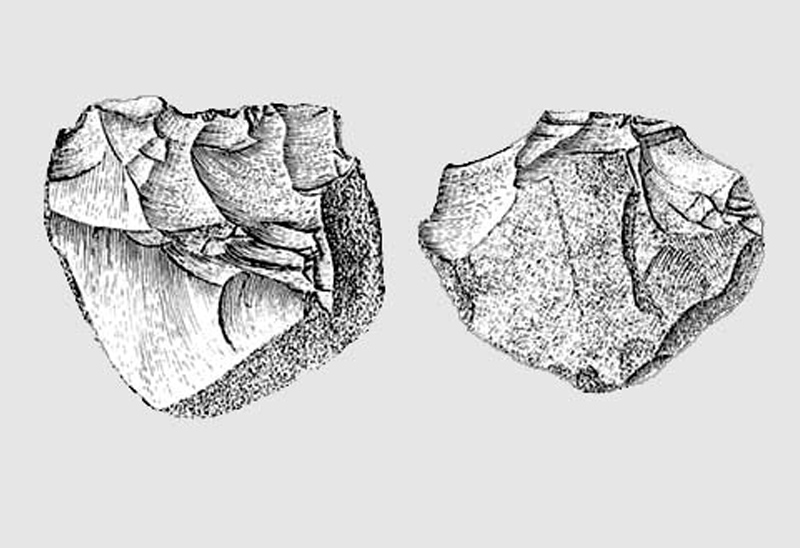
Chipped stones

Specimens of mammals
The collection, partly displayed in the Vertebrate Zoology Room, is made up of specimens of mammals that populate the Mediterranean scrub.
Many of these are donations from private individuals, others directly taxidermied at the museum following the discovery in the area of specimens that died from accidents or natural causes.
Image Gallery


Plant species
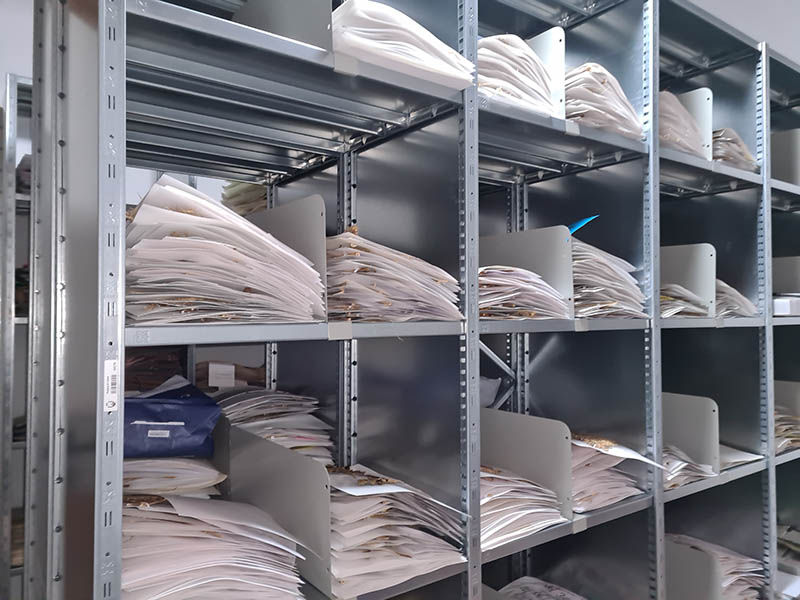
A collection of plant species preserved in herbarium sheets including:
Flora of the island of Capraia
Flora of the Livornesi Mountains (Lazzeri collection)
Flora of the Island of Elba
Flora of Jordan
Image Gallery
-
-
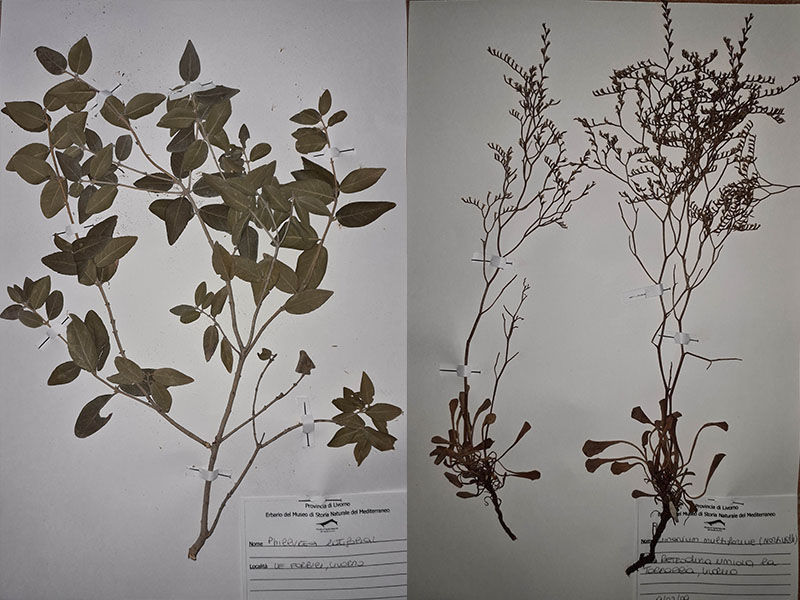
herbarium sheets


Last Update Date: 29/11/24 09:02